 AUS
AUS
 US
US



CfD AR8 reforms: What developers and investors need to know after AR7
Following our deep dive into the CfD AR7 results during our latest CfD webinar in collaboration with Cornwall Insight, Will Russell, Business Development Manager and webinar speaker, explores the reforms under consideration for AR8 and what developers and investors should be preparing for next.
As the dust settles on Allocation Round 7 (AR7), attention across the industry has already turned to what comes next: what lies ahead in AR8, and whether the growing pipeline of renewable projects will be enough to meet Clean Power 2030 (CP30) targets.
As highlighted during our recent webinar, every new project in the pipeline will play a significant role, but unlocking their full potential requires meaningful policy change, clearer delivery pathways, and an auction framework that supports both scale and readiness. In this blog, I break down the key insights shaping AR8 and what developers and investors should be preparing for.
The remaining gap to CP30: A clear signal of what’s still needed
As explored in our AR7 results blog, the latest round has been a positive step in the right direction, but with ambitious targets, even the most successful allocation round to date leaves the UK short of where it needs to be.
Analysis from Cornwall Insight shared during the webinar highlighted that:
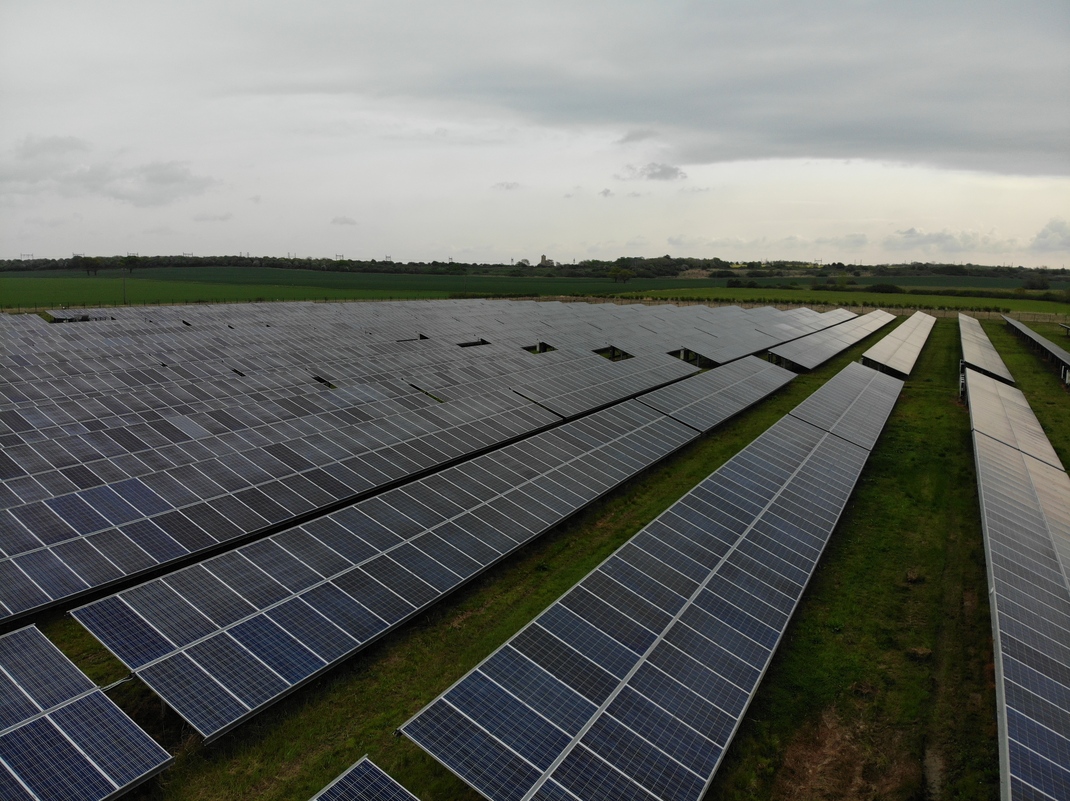
- Solar PV still requires around 13GW of additional capacity.
- Onshore wind requires a further 8GW.
- Offshore wind remains between 14.5GW and 20GW short, depending on the scenario.
While AR7 provides strong momentum, it also introduces heightened non‑delivery risk, particularly for offshore wind projects still in the pre‑planning phase. A single project failing to secure consent could risk the delivery of the awarded capacity.
Beyond planning, we also know from previous rounds that not all projects reach Final Investment Decision (FID), and some may ultimately choose not to pursue their CfD. In certain cases, developers may instead find corporate PPAs or merchant strategies are better aligned with their commercial objectives.
It is important to remain optimistic, but all of this reinforces that while AR7 was a strong foundation, not all awarded AR7 capacity is guaranteed to be delivered, which only increases the importance of AR8.
AR8 consultations: The reforms that could define the next phase
AR8 is expected to build on the success of AR7 and play a major role in determining whether the UK can reach CP30. Several proposed reforms are now on the table, each designed to strengthen delivery confidence and ensure future rounds bring forward the most robust, ready to build projects.
The Clean Industry Bonus
One of the major changes ahead is the introduction of the Clean Industry Bonus, which was consulted on separately and received a published response earlier in February.
The government has confirmed that offshore developers seeking Clean Industry Bonus funding will need to sign up to an interim offshore wind fair work charter, where relevant. Suppliers participating in the bonus will also need to comply, though exemptions will apply for small businesses and new facilities.
They had considered including onshore wind in this process for AR8 but has opted to delay this until Allocation Round 9, creating a staggered transition that developers can prepare for over the next year.
Key proposals under review for AR8
Alongside the Clean Industry Bonus, government is consulting on a wider set of reforms that could reshape bidding strategies for AR8:
The consultation for proposed refinements for Allocation Round 8 and future rounds ran from 16th December 2025 to 30th January 2026 and we are awaiting updates on when to expect the outcome.
What this means for AR8, and what developers and investors should do now
Together, these reforms reflect a system shifting towards readiness, fairness, and deliverability, and we see a set of clear market signals emerging:
Above all, it seems developers and investors need to prepare for a more complex, more competitive, and more strategically framed auction. AR8 is shaping up to reward those that can move quickly, demonstrate credible delivery plans, and align with evolving policy expectations.
Timings and expectations
A key question raised during the webinar was: When can we expect AR8 to open?
While no firm dates have been shared, government has reaffirmed its commitment to annual CfD allocation rounds. AR7 ran on a slightly longer timeline than initially expected due to delays, and we are still awaiting the government’s response to the AR8 consultation. However, the indication that a response is imminent suggests that work on AR8 is already well underway, including the development of clearer timelines.
Given that nothing has been announced to suggest otherwise, it remains reasonable to expect a similar timeline to AR7. It is in the collective interest of government, NESO, Ofgem, and the wider industry that the CfD framework continues to progress as promptly and efficiently as possible.
Final thoughts
AR7 marked a major step toward CP30, but AR8 will determine whether momentum can be sustained and scaled. With large capacity gaps still to be filled and investor appetite remaining strong, the market is poised for another highly competitive round.
As the government finalises its responses, developers should already be assessing eligibility, strengthening up grid positions, and evaluating their commercial routes to market, whether via CfD, corporate PPAs, or hybrid strategies.
We will continue to keep you updated as the landscape evolves, but for now, the countdown to AR8 has already begun.

Looking to secure a route to market?
With long-term stability and financial backing from Marubeni Corporation, and a wealth of experience in providing competitive routes to market, we are a bankable PPA partner you can rely on to support your CfD project.