 AUS
AUS
 US
US



EU CBAM-Aligned PPAs: UK Cement and Fertiliser must prepare for a “no exemption” start
Katya De Vere Walker, Head of Net Zero Policy & GEM regulation, explores the implications of EU CBAM for the UK’s cement and fertiliser industries and the potential role of renewable Power Purchase Agreements (PPAs) reinforced with Energy Attribute Certificates (EACs) for indirect emissions reporting
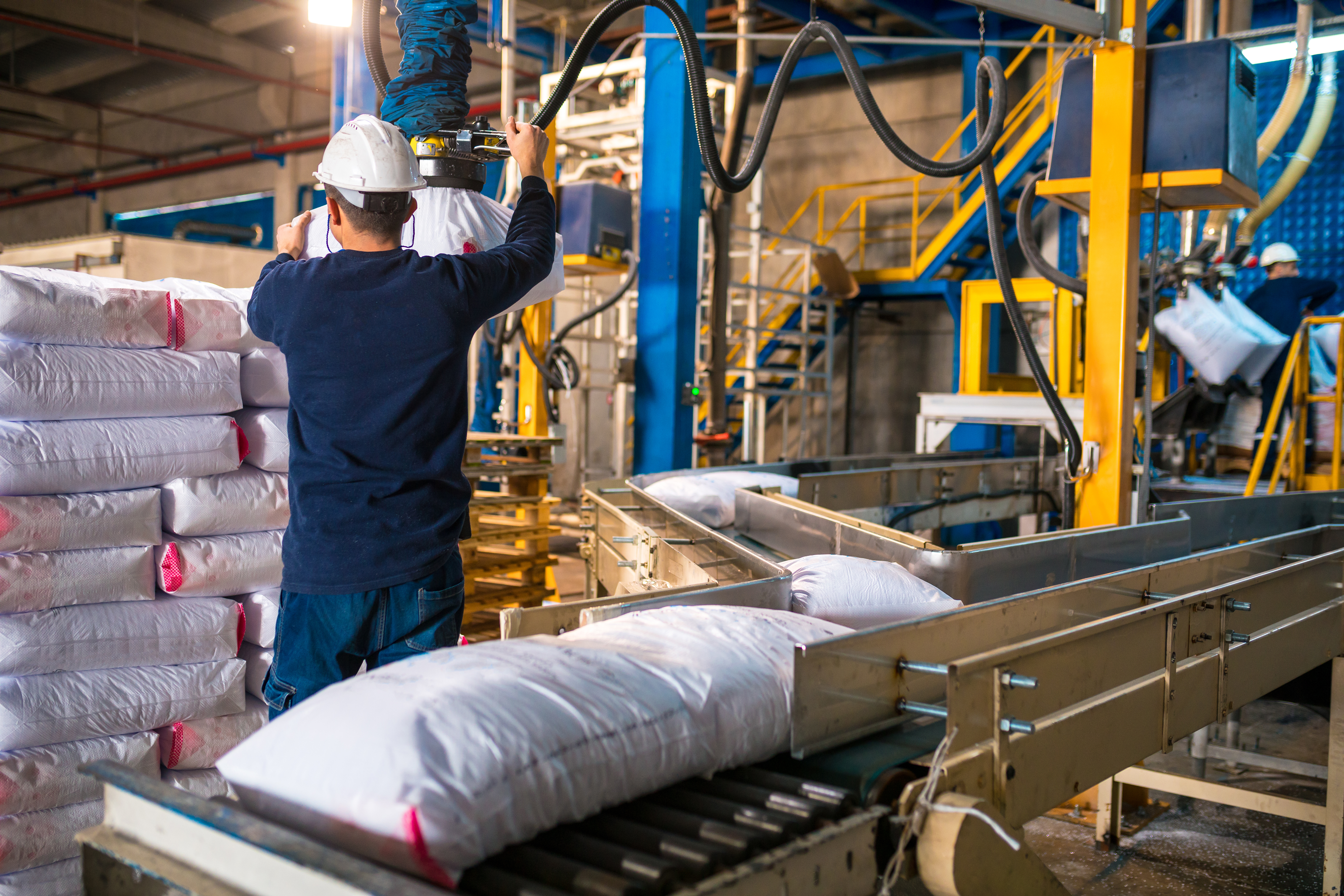
As the EU prepares to enter the definitive stage of its Carbon Border Adjustment Mechanism (CBAM) in January 2026, the anticipated relief from the levy imposed on covered carbon-intensive industrial goods might not come in time for the UK exporters, despite the common understanding reached in May between the UK and the EU regarding the UK’s “exemption”.
The illusion of CBAM “exemption”
Despite the political ambitions for mutual exemption in the UK and EU from their respective CBAMs, formal negotiations on recognising the UK ETS and establishing the equivalence between the two schemes are progressing very slowly. Without provisions in place, UK exporters of steel, aluminium, cement, fertilisers, electricity, and hydrogen products into EU will face CBAM reporting from 2026 and charges from 2027.
The EU CBAM tracks emissions from materials and energy used during the production of industrial goods imported into the EU. From 2026 the EU will start levelling the playing field for it’s producers by charging importers exceeding a mass-based threshold a levy on carbon emissions embedded in their goods to help match the carbon costs that the EU producers already face under the EU ETS.
Although the financial obligation under the EU CBAM has been postponed until February 2027, importers remain accountable for the emissions embedded in goods brought into the EU during 2026. It is therefore essential that the UK companies scrutinise their supply chains and renegotiate contracts to ensure they are EU CBAM aligned, both financially and operationally.
This is particularly critical for sectors such as cement and fertilisers, which must report both direct and indirect emissions under the EU CBAM. Regulatory uncertainty over how claims of lower indirect emissions from electricity consumption can be evidenced presents further challenge.
Why PPAs could matter under EU CBAM
Under the EU CBAM, importers may choose between reporting actual or default emissions data. However, the rules for claiming carbon price deduction for indirect emissions have not yet been published, although they are expected to be adopted by the EU Commission before the end of 2025.
In the absence of specific guidance from the EU Commission, the terms and provisions of CBAM-aligned PPAs are derived from other comparable EU legislation (e.g., electricity rules for RFNBO and RED II/III), following the methodology published by I-TRACK Foundation and developed by DLA Piper.
It draws on the EU recognition of a PPA as a contractual instrument of procuring electricity and an Energy Attribute Certificate (REGO, GOs, I-RECs) to provide evidence of electricity origin and attribute emissions accordingly. Building on this, the EU has proposed using PPAs reinforced with EACs for track electricity consumed during RFNBO production. Notably, the eligible technologies include wind, solar, hydropower and geothermal (eliminating non-renewable nuclear despite the zero-carbon nature of its emissions).
Applying the same logic onto CBAM, the aligned renewable PPAs reinforced by EACs would require direct contracting with renewable energy producers, as well as proof of additionality and evidence of geographical and temporal matching.
Commercial implications and opportunities
Accounting for the deferral in financial charges, some importers may choose to wait until the EU Commission issues formal guidance on how indirect emissions and associated reduction claims would be treated under CBAM. However, we encourage industries with significant exposure—particularly in cement and fertilisers—to engage with us now.
SmartestEnergy offers tangible solutions that can help hedge against future compliance risks and position businesses to align early with evolving EU requirements.

Stay ahead of EU CBAM Compliance
From January 2026, UK cement and fertiliser exporters face mandatory CBAM reporting. Secure your position now with renewable PPAs and traceable supply solutions that meet EU-aligned standards. Our experts can help you mitigate risk and evidence indirect emissions reductions.